
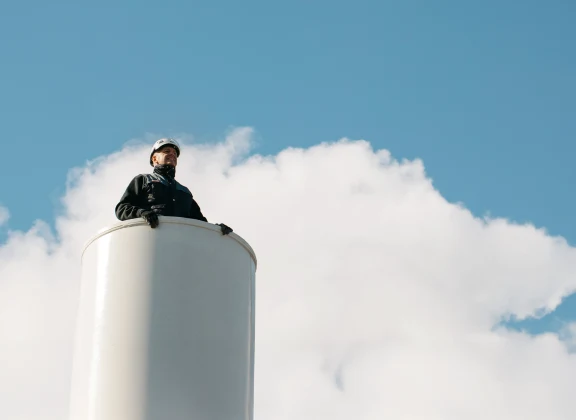


A move prompted by the need to test ourselves
We have decided to produce our first Sustainability Report: a voluntary action ensuring transparency with regard to our goals, impacts and results, in the pursuit of growth. A proactive approach based on a dual materiality analysis — focusing on impact and finances — such as can align our vision with stakeholder expectations and guide our long-term decision-making, all of which strengthens dialogue with the market.
For us, ESG is not merely a statement of principle, but a framework that informs the business decisions we make. Environmental, social and governance factors are considered together in a measurable approach designed to assess impacts and create value over time.
Environment and responsible innovation
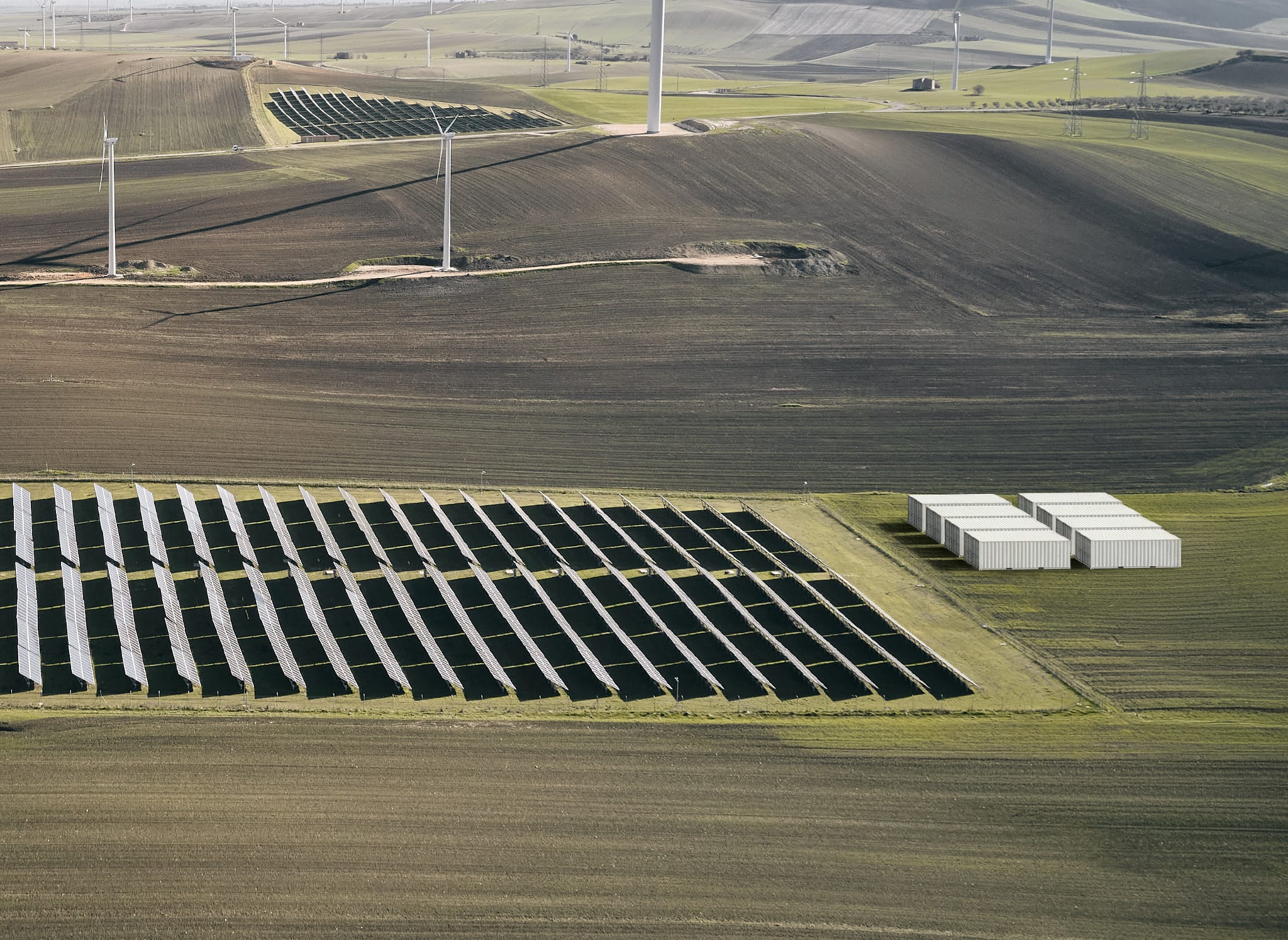
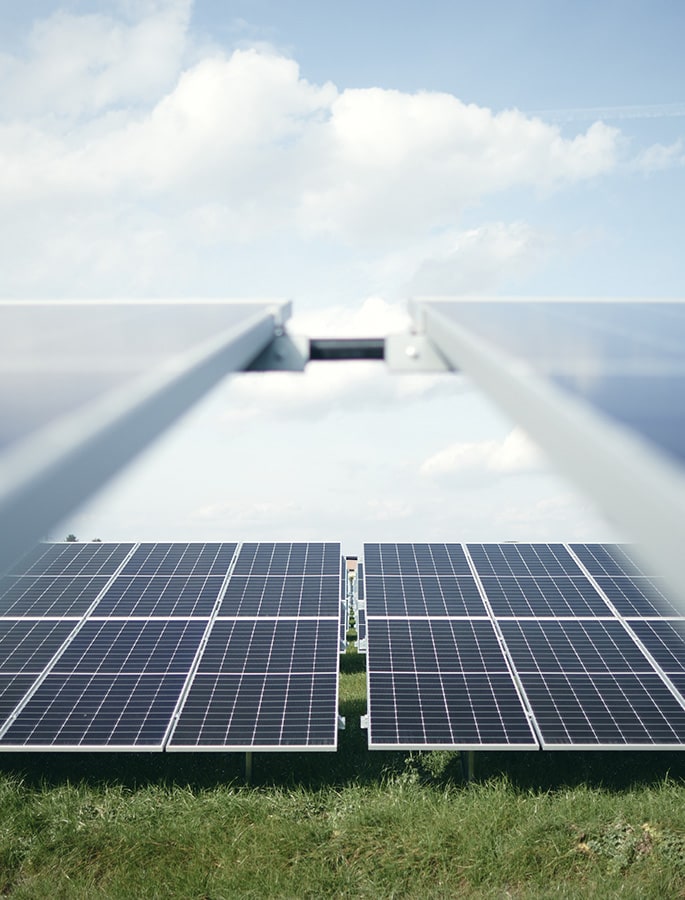
The quantifiable results of our environmental strategy show that in twenty years, we have installed more than 700 MWp of photovoltaic systems. We design solutions that favour the circular economy: photovoltaic modules are manufactured with materials that are up to 98% recyclable, and in 2024, 99.9% of waste was sent for recycling. A reduced overall impact of our activity is achieved through energy self-sufficiency, the use of geothermal systems for heating and cooling, and a new low-impact facility announced in 2025.
People, skills and the local setting
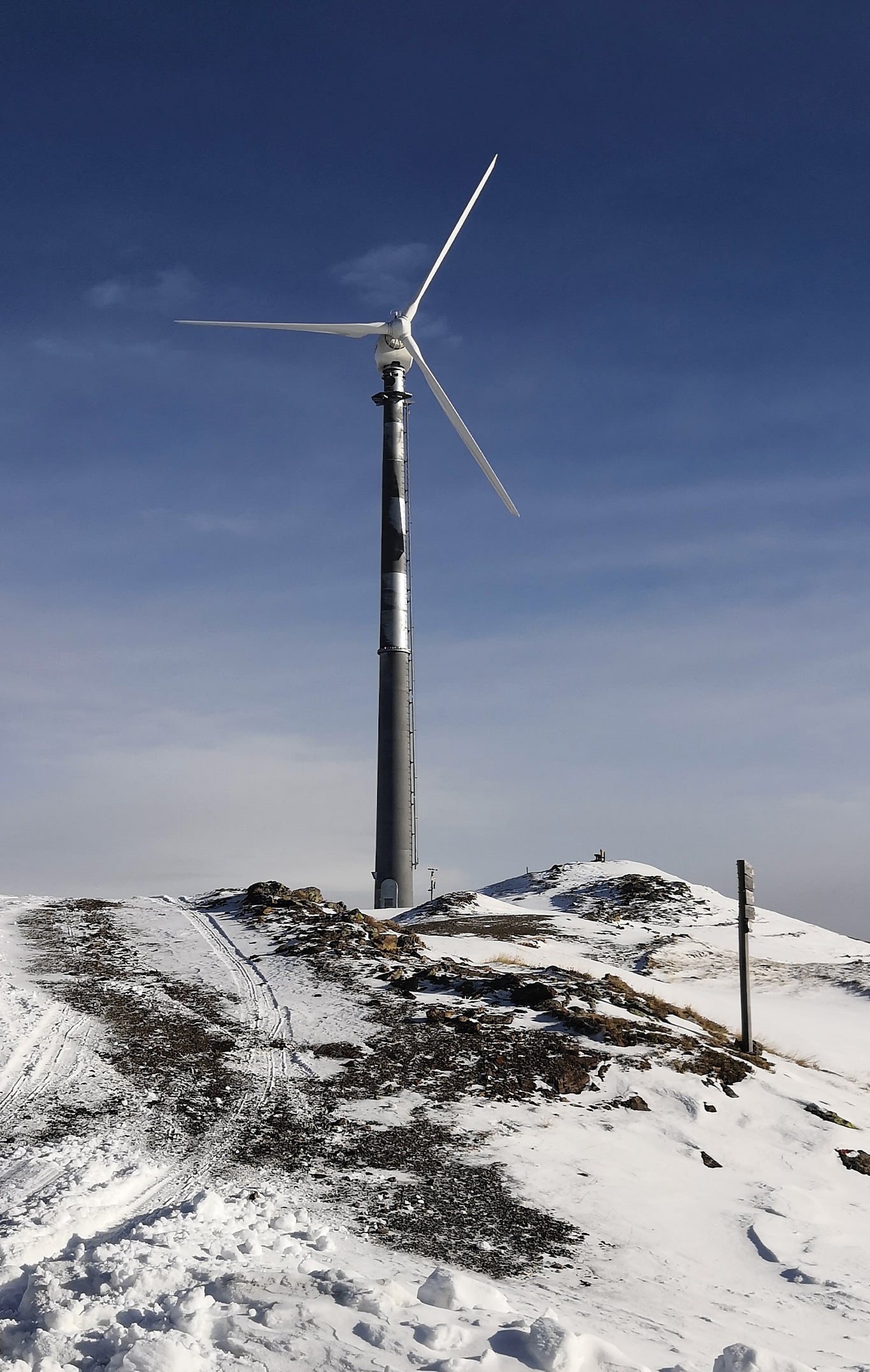
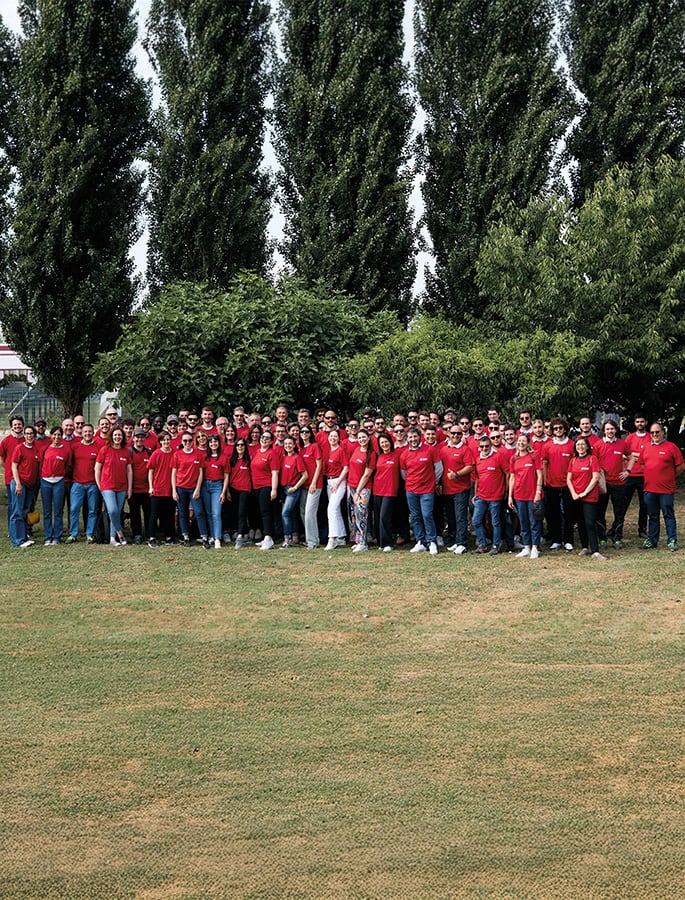
The growth of ESPE is linked to the development and stability of human resources. The company has around 100 employees, of which 26 were hired in 2024 with 90% given long-term contracts. Investments in training and safety have included 325-plus hours of specialist training over the three-year period 2023–2025, as well as certification to ISO 45001. We promote well-being through corporate welfare, a flexible management model and an in-house skills-sharing programme, while also maintaining an active connection with the local community through sports and cultural initiatives, and partnerships like the one we have with Italia Solare.
Ethics, oversight and transparency
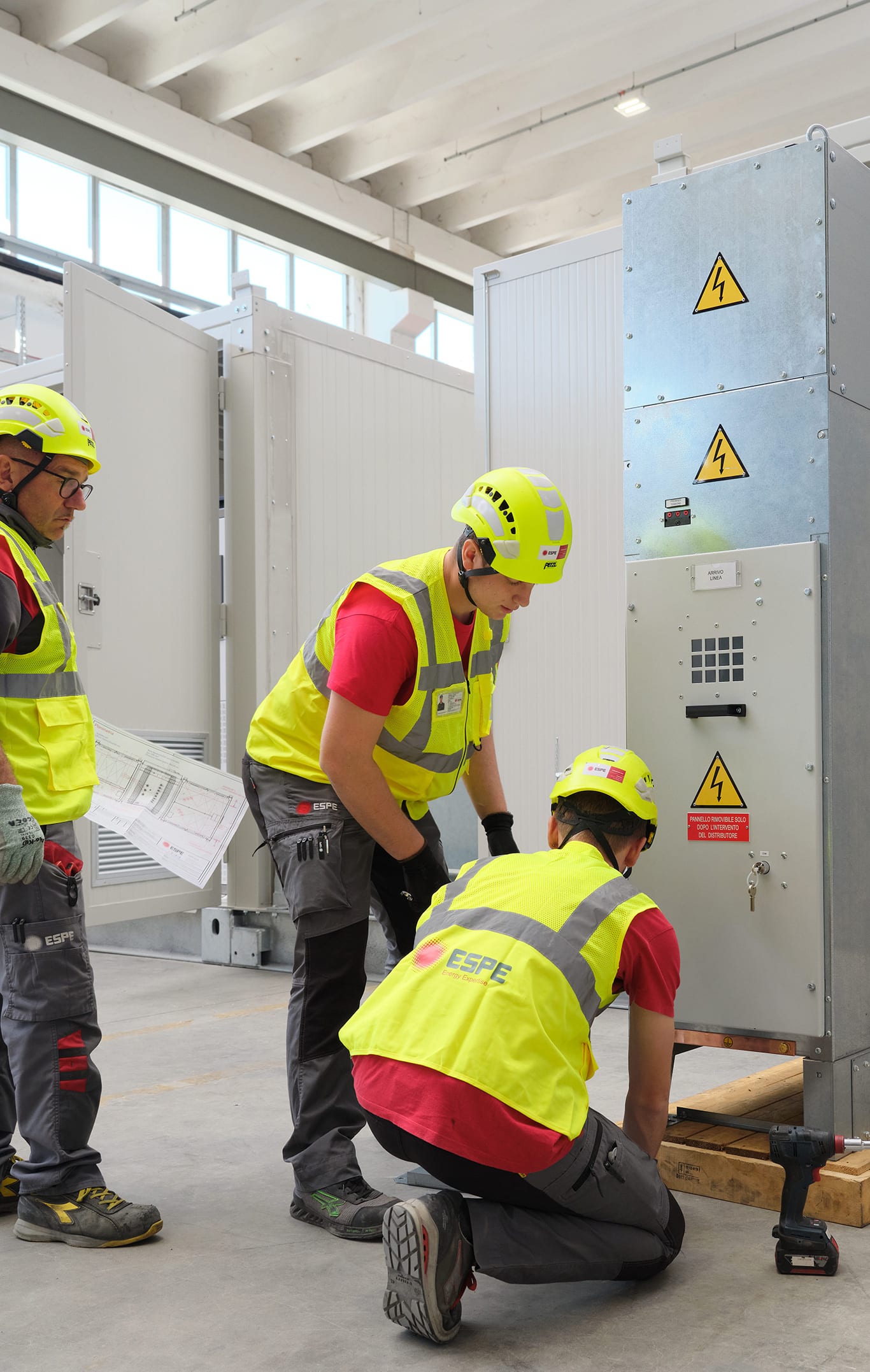
We operate adopting a structured and transparent model of governance, consistent with our role as a listed company. The integrated management system we use is certified to ISO 9001, ISO 14001 and ISO 45001, and our 231 Organizational Model and Code of Ethics ensure the prevention of unlawful conduct. This same approach is applied to the supply chain, with selection criteria based on integrity and respect for the rights of all parties. A whistleblowing channel managed by an independent third party serves to safeguard transparency and protect stakeholders.
Goals of the
UN 2030 Agenda
SDG 4 – Quality education
We promote the development of skills as a fundamental element of sustainability: engaging with schools and universities via work placements and induction schemes; fostering dialogue between the academic world and the business sector. In-house, we invest in continuous training and in the development and sharing of know-how, supporting the professional growth of the people who work for us.
SDG 7 – Affordable and clean energy
We help to promote cleaner energy through solutions based on renewable sources and technologies characterized by high efficiency. The model we pursue involves integrating the design, construction and management of systems that deliver reliability and sustainability — a practical approach backed up by internal policies consistent with the energy transition.
SDG 8 – Decent work and economic growth
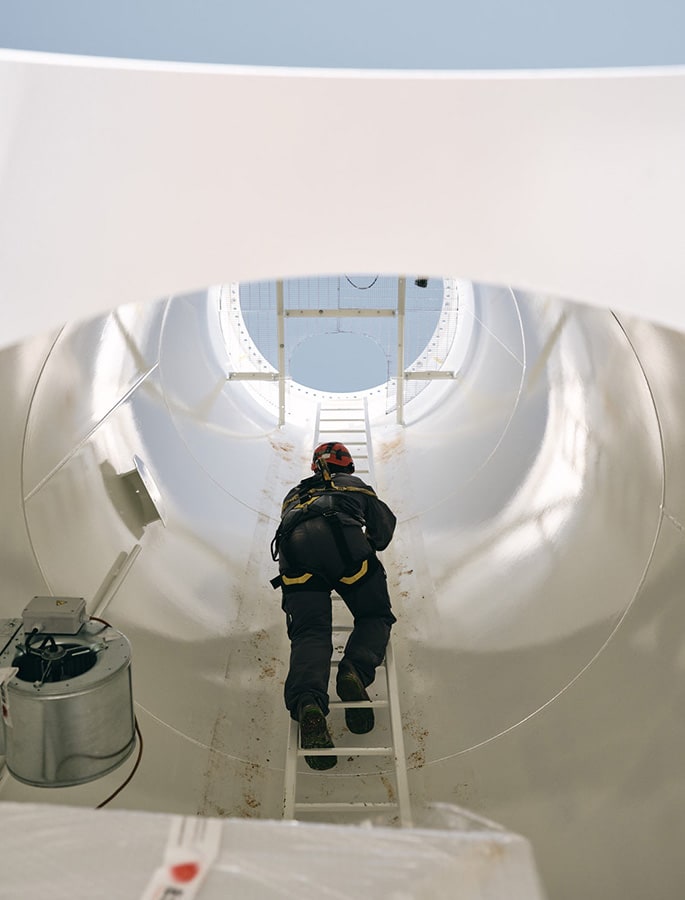
We support economic growth that gives priority to stable, secure and skill-centred employment. We promote fair working conditions, health and safety, and professional development, creating an inclusive and collaborative environment. By looking after our human capital, we strengthen the stability of the organization and maximize the lasting value it can generate.
SDG 9 – Industry, innovation and infrastructure
Innovation provides a strategic tool in making energy infrastructures more efficient and resilient. We invest in the development of advanced technological solutions and the digitalization of processes, with the aim of improving performance, reliability and operational sustainability in an evolving energy system.
SDG 13 – Climate action
We tackle climate change by taking practical steps to reduce our environmental impact. We monitor emissions and implement technical solutions that favour the decarbonization of our activities. Promoting renewables and adopting more efficient operating practices, we seek to play our part in furthering the transition towards a fully sustainable economy.

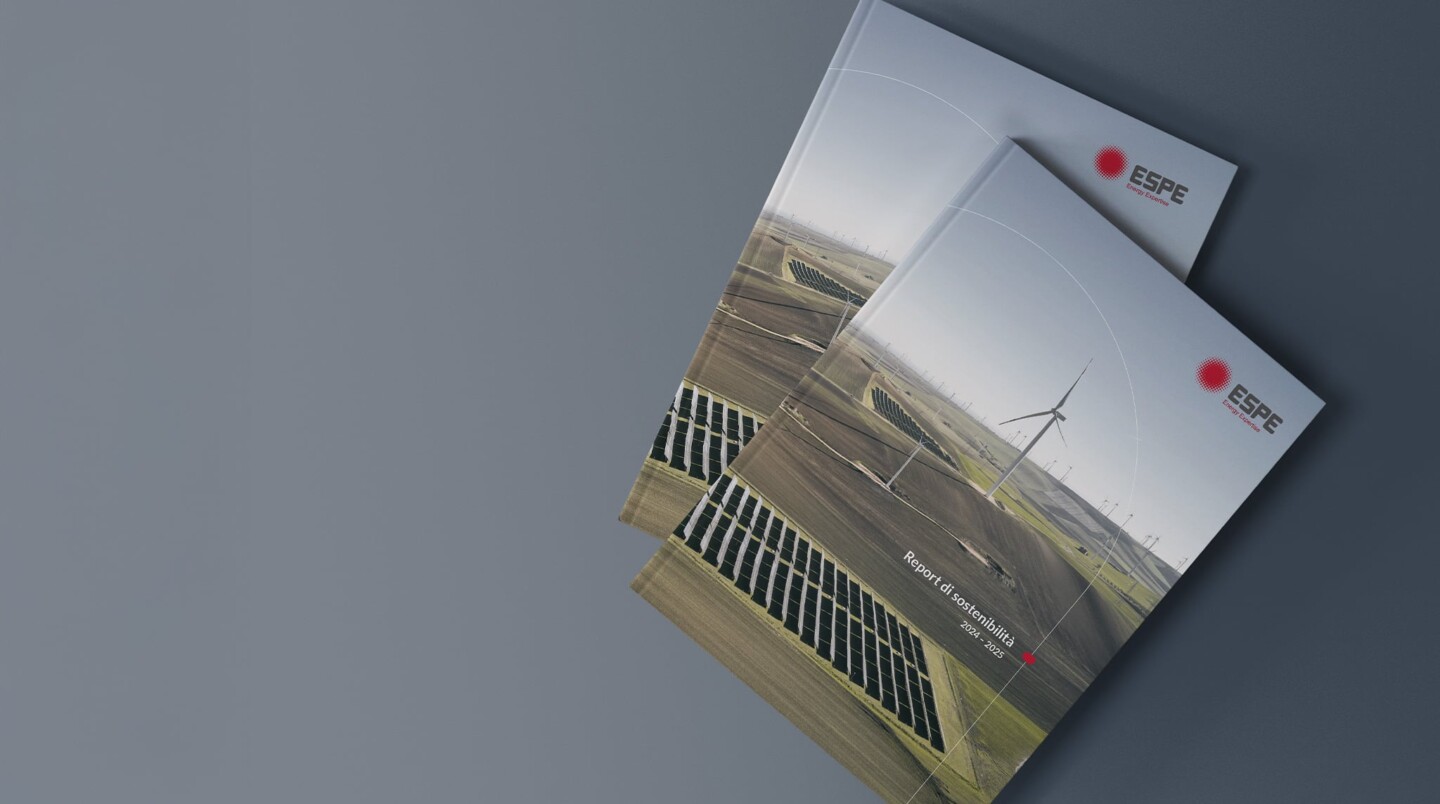
ESPE Sustainability Report 2024–2025
Choices, actions, and data to drive the transition.